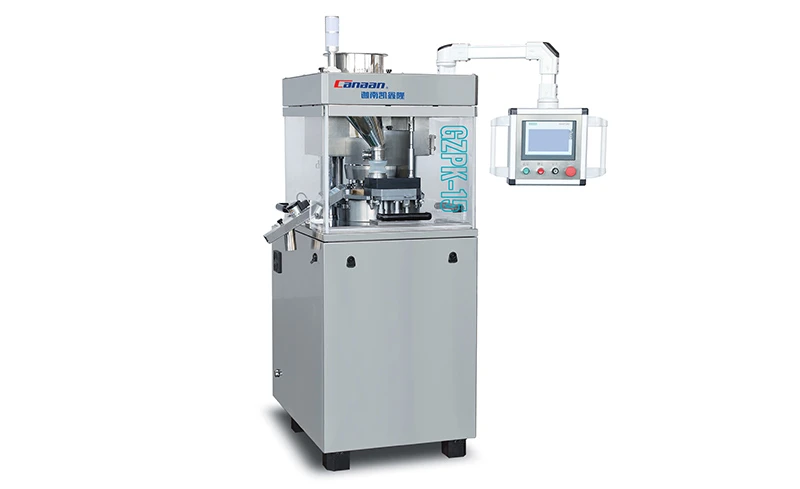
Setting up a capsule filling machine correctly is crucial for pharmaceutical R&D and pilot-scale production, ensuring precise dosing and reliable operation. Whether you're handling powders for clinical trials or small-batch manufacturing, a proper setup minimizes downtime and maximizes consistency. An automatic capsule filling machine like those from Kaixinlong can streamline this process, but it requires careful attention to detail from unboxing to calibration. This guide walks through the essential steps, common pitfalls to avoid, and how to tailor the setup to your specific needs, helping you achieve optimal performance without unnecessary complications.
Before powering on any machinery, start with a clean, organized environment. Dust and debris can affect powder flow and machine accuracy, so ensure the area meets GMP standards if applicable. Unpack all components systematically, checking for any shipping damage or missing parts. Review the manufacturer's manual—though it might seem basic, skipping this step often leads to misalignment issues later. For instance, with Kaixinlong's models, verify that hoppers, dosing discs, and capsule feeders are intact and free of obstructions. A well-prepared workspace not only speeds up installation but also reduces the risk of contamination, which is critical in pharmaceutical applications.
Follow a logical sequence to assemble the machine, focusing on alignment and stability. Here's a typical process:
Calibration is where precision matters most. Use a test batch of inert material to adjust filling weight. Start with low speed, gradually increasing while monitoring consistency. If variations exceed 2-3%, recheck dosing settings or powder properties. For tailored setups, consider factors like powder cohesiveness or humidity, which might require tweaks to vibration or compression settings. View configuration details for specific models to see how modular components can be adjusted.
Many users encounter similar issues during initial setup. Misaligned capsule feeders, for example, can cause jams or incomplete filling. Ensure all guides are parallel and snug without over-tightening. Another frequent mistake is neglecting powder preparation—sieving or conditioning powders beforehand improves flow and dosing accuracy. Also, avoid running the machine at maximum speed immediately; ramp up gradually to identify any mechanical hiccups. Regular lubrication of moving parts, as per the manual, prevents wear and maintains smooth operation. By anticipating these pitfalls, you reduce downtime and extend equipment lifespan.
Not all setups are identical; customization can enhance efficiency. For R&D labs, flexibility is key—look for machines that allow quick changeovers between capsule sizes or powder types. In pilot-scale environments, focus on scalability and repeatability. Kaixinlong's designs often include features like adjustable tamping pressure and modular hoppers, which let you adapt to different formulations without major reconfiguration. Explore modular design options to see how these elements support varied applications. Additionally, consider integrating with other equipment, such as dedusters or polishers, for a seamless production line.
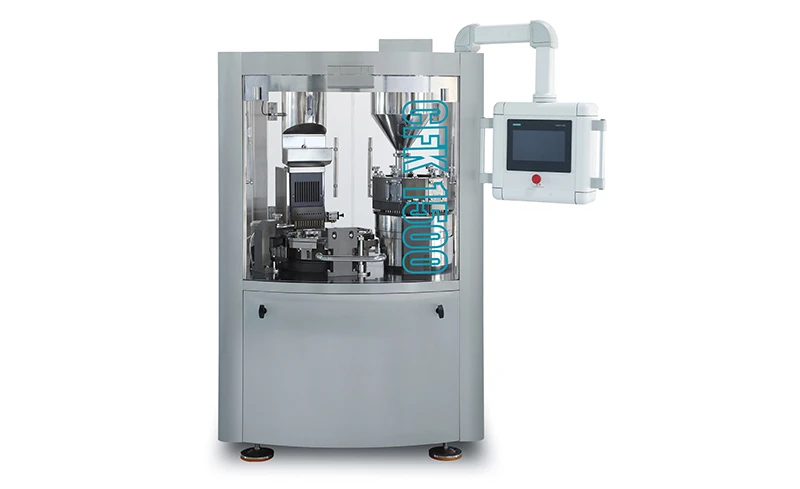
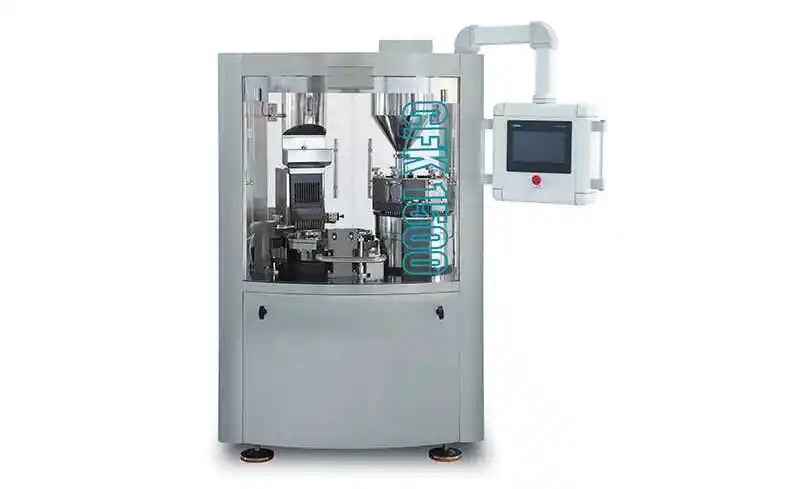
When evaluating capsule filling solutions, it's helpful to understand the spectrum of options. Manual fillers are cost-effective for very low volumes but labor-intensive and prone to inconsistency. Semi-automatic machines offer a middle ground, with some automation but still requiring operator intervention. In contrast, a fully automatic capsule filler like the CFK 1500 minimizes human error and boosts throughput, making it ideal for consistent R&D or small-batch production. This category excels in precise powder dosing and ease of operation, as highlighted in its engineering for pharmaceutical development. Compare the solution to assess if it matches your output and precision requirements.
Proper setup is just the beginning; ongoing maintenance ensures reliability. Establish a routine for cleaning after each use, especially when switching powders, to prevent cross-contamination. Check wear parts like seals and blades periodically, replacing them as needed to maintain dosing accuracy. Keep a log of performance metrics, such as fill weight deviations or cycle times, to spot trends early. For technical support, leverage manufacturer resources—many offer guidance on optimizing settings for specific materials. Get selection advice if you're planning upgrades or expansions, as this can inform future purchases.
By following these steps, you can set up your capsule filling machine efficiently, whether for research or limited production. Focus on alignment, calibration, and customization to meet your unique needs, and prioritize maintenance to sustain performance. With careful planning, even complex setups become manageable, leading to smoother operations and better product quality.

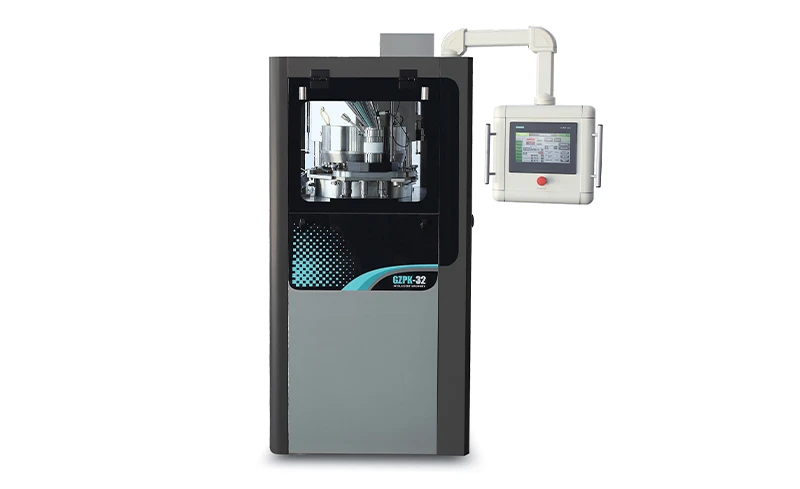
No. of station:26/32/40
Max.tablet diameter:25/16/13mm
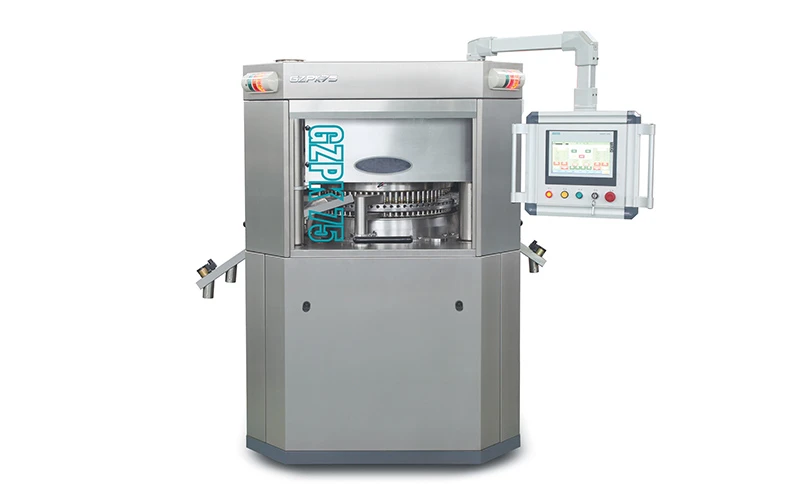
No. of station:45/55/75
Max.tablet diameter:25/16/13mm
24/7 Online Technical Support
One-Year Warranty and Spare Parts Coverage
Lifetime free technical consulting service
GET A QUOTE