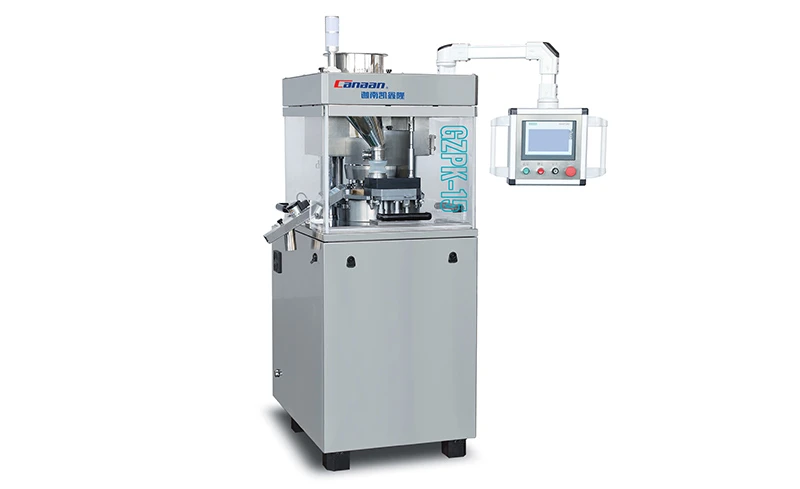
When comparing automatic and manual capsule filling machines, buyers primarily care about speed, accuracy, labor cost, consistency, and compliance for pharma production; an Automatic capsule filling machine delivers higher output, lower error rates, and better adherence to industry standards than manual units, making it ideal for scalable, regulated manufacturing. For small-batch trials, manual machines work temporarily, but mid-to-large operations gain long-term savings and stability from automated filling solutions.
Manual capsule filling has long been the starting point for small labs and startup facilities. It requires low upfront investment and minimal space, but its limitations become obvious as production scales. Operators must handle capsule sorting, separation, filling, closing, and polishing by hand, leading to uneven fill weight, low hourly output, and high fatigue-related errors.
According to industry data from Pharmaceutical Technology 2025, manual filling averages 300–800 capsules per hour, with a fill weight deviation of ±5%–8%. In contrast, automated systems reach 1,500–7,500 capsules per minute with precision within ±0.5%–2%. This gap directly impacts batch consistency, product shelf life, and regulatory pass rate.
Manual operation also raises safety and hygiene risks. Human contact increases contamination chances, and record‑keeping relies on manual logs, which complicate traceability during audits. For businesses targeting GMP compliance, these issues create recurring bottlenecks and compliance risks.
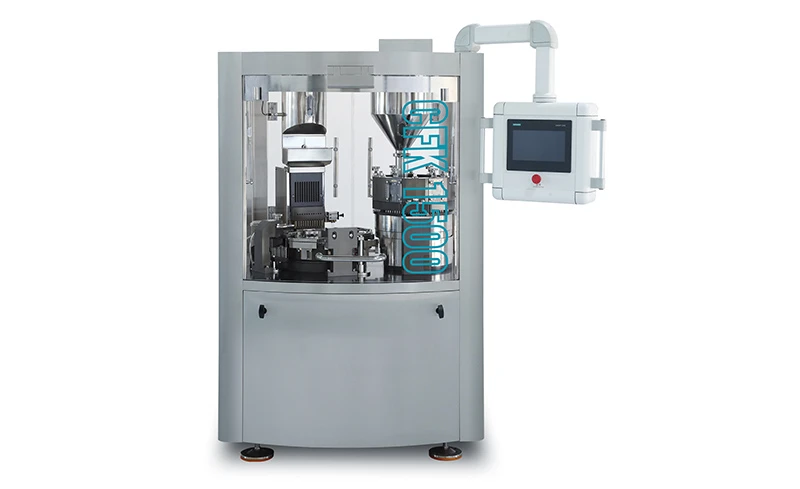
Let’s break down the real‑world bottlenecks that stall growth for teams still using manual equipment:
Labor dependency and turnover risksOne skilled operator can manage just one manual machine. High turnover means repeated training, inconsistent output, and unstable quality.
Batch size limitationsManual systems slow sharply above 50,000 capsules per batch. Deadlines, order expansions, or peak demand quickly lead to overtime, delays, or missed orders.
Quality control inconsistencyFill density, capsule closing, and weight control vary by operator, shift, and fatigue level. Rejection rates often climb to 3%–7%, raising material waste costs.
Regulatory and traceability gapsManual data entry is prone to mistakes. Without digital logs, proving process control during inspections becomes time‑consuming and risky.
These pain points aren’t just operational—they limit scaling, customer trust, and market access.
Successful pharmaceutical and health product manufacturers share clear requirements for capsule filling equipment:
A solution that checks all these boxes lowers per-unit cost, improves quality, and future‑proofs production.
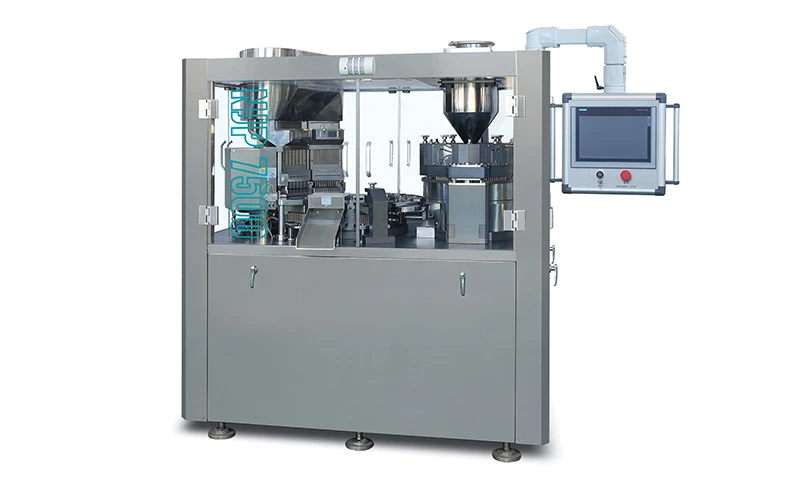
Automated filling systems resolve the core weaknesses of manual machines with engineering and intelligent design.
Automated machines use intermittent rotary indexing filling to sustain high-speed, stable output. Even mid‑range models handle thousands of capsules per minute, while manual stations struggle to reach 1,000 per hour.
Plug‑type metering systems keep fill height consistent across every capsule. High‑precision indexing boxes ensure station alignment remains stable during long runs, drastically reducing rejected capsules.
One operator can manage multiple automated lines. Setup uses a touch screen with recipe storage, so changeover takes minutes instead of hours.
Closed, dust‑sealed structures reduce contamination. Real‑time vacuum detection ensures proper capsule separation and filling. Digital production logs support full batch traceability.
For teams balancing speed, quality, and compliance, automated equipment delivers clear, measurable ROI.
The best choice depends on your scale, goals, and regulatory environment.
Manual machines work for entry‑level testing but become costly as you grow.
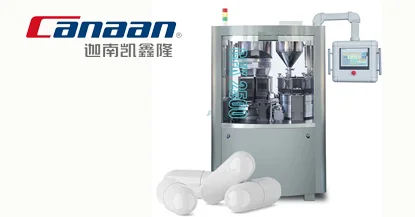
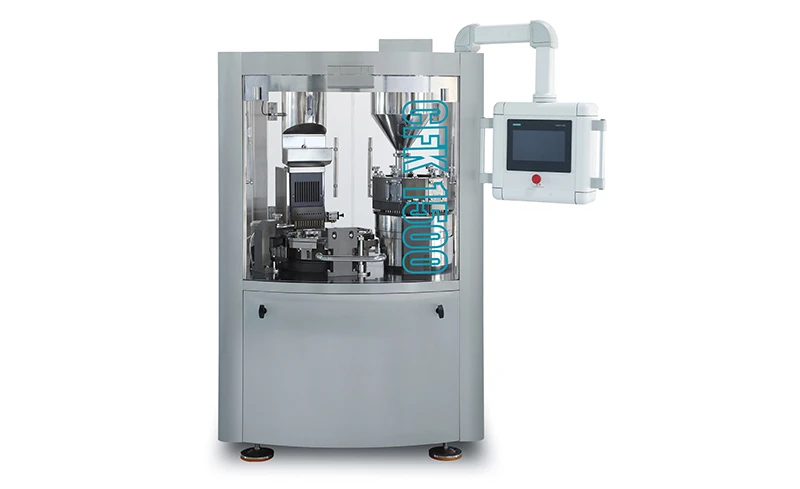
An Automatic capsule filling machine fits these needs reliably while supporting long‑term expansion.
With 25 years in pharma equipment, Kaixinlong builds systems that balance performance, usability, and compliance.
Full traceability from raw materials to finished goods100% ISO‑certified component suppliersCritical fitting accuracy controlled within ≤0.02 mmGlobal brand electrical parts for consistent reliability
End-to-end service from selection to on-site customization5,000+ parameter database to match diverse production needsTraining, commissioning, and after‑sales support for smooth operation
Many buyers focus only on purchase price, but operating costs over 3–5 years tell a different story.
Factoring in labor, material loss, downtime, and compliance risk, automated systems typically achieve payback within 12–24 months for mid‑scale producers.
Your capsule filling machine should grow with your business, not limit it. Manual units serve short‑term, small‑scale needs, but automated systems provide the stability, speed, and compliance required for sustainable success.
When evaluating options, prioritize real‑world performance: accuracy, changeover speed, data traceability, hygiene design, and after‑sales support. The right choice lowers long-term costs and strengthens your market position.
For teams ready to upgrade from manual to stable, scalable filling, exploring engineered automated systems provides a clear path forward.

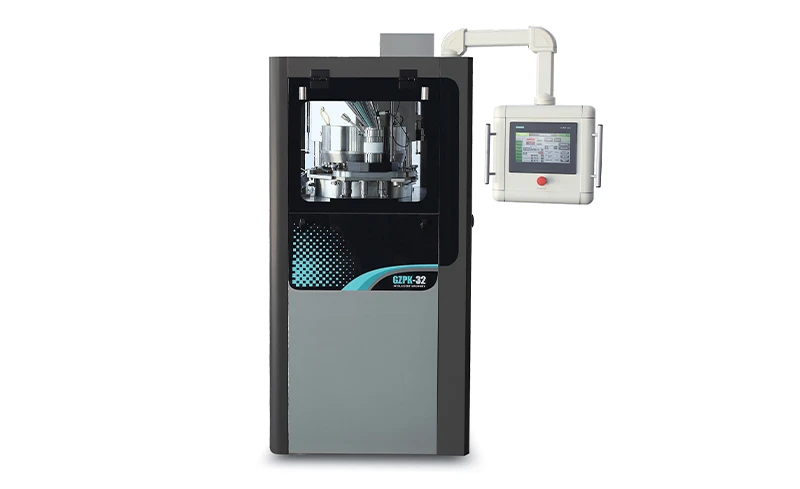
No. of station:26/32/40
Max.tablet diameter:25/16/13mm
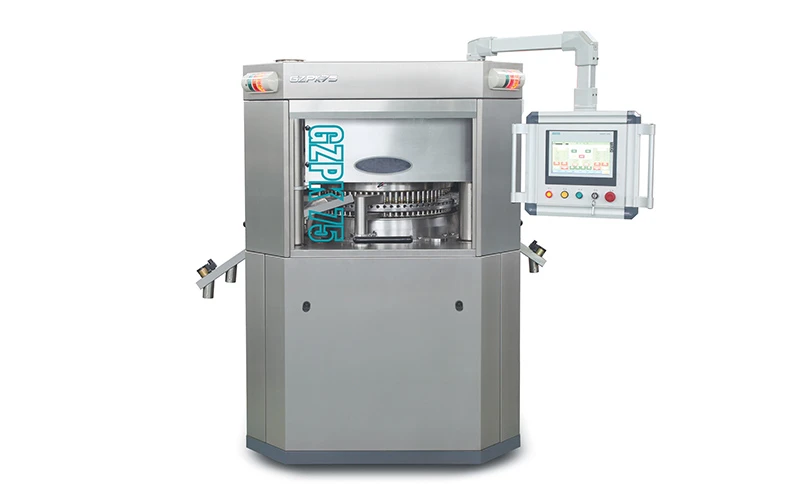
No. of station:45/55/75
Max.tablet diameter:25/16/13mm
24/7 Online Technical Support
One-Year Warranty and Spare Parts Coverage
Lifetime free technical consulting service
GET A QUOTE