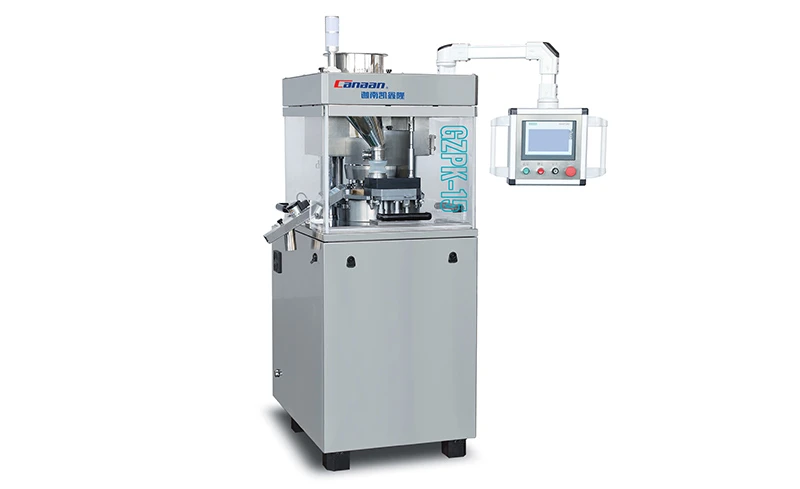
A production manager at a European nutraceutical company called me with a headache last quarter. His team had just switched a best-selling supplement from hard gelatin to HPMC capsules to meet vegan demand. The same encapsulation equipment that ran flawlessly for three years suddenly produced 12% rejects. Powder bridged. Dosing pins gummed. The sealing station couldn't find the right temperature.
His question wasn't about capsule quality. It was about machine compatibility.
If you're evaluating filling systems for multiple shell types, here's what nobody tells you before the purchase order signs.
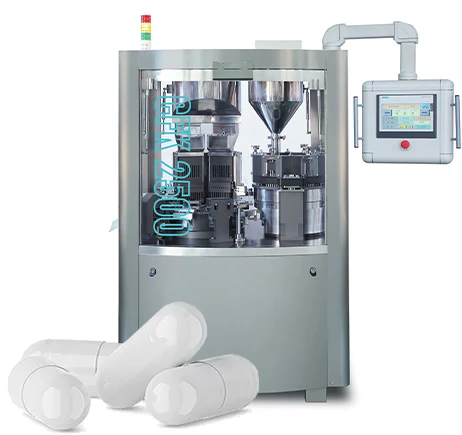
Gelatin capsules have been the industry standard for over a century. They're forgiving. They handle temperature fluctuations well. They seal easily with minimal heat. But they're animal-derived and can cross-link with certain aldehydes found in some herbal extracts.
HPMC capsules (hydroxypropyl methylcellulose) solve the vegetarian and stability issues. They're plant-based, chemically inert, and perform better in low-humidity environments. The trade-off? They're less forgiving on filling lines. HPMC shells require tighter moisture control, more precise tamping force, and different sealing parameters.
According to a 2024 market analysis by Grand View Research, the vegetarian capsule segment is growing at 7.8% annually, driven by both consumer preference and regulatory pressure in markets like the EU and India. That means most production facilities will eventually run both shell types—whether they plan to or not.
Here's where specifications get real. Hard gelatin capsules have higher mechanical strength at standard room conditions (45-55% relative humidity). They can tolerate faster indexing speeds and more aggressive dosing pin penetration.
HPMC capsules behave differently. They're slightly more brittle. They require slower pin retraction to avoid tearing the shell lip. And they demand filling systems with better vacuum control—because HPMC doesn't create the same electrostatic seal that gelatin naturally provides.
One contract manufacturer shared their internal data with me. Running gelatin on their older continuous-motion machine: 98.3% yield at 6,200 capsules per minute. Same machine, same powder, switching to HPMC: 89.1% yield at 4,800 capsules per minute. The shells didn't fail. The equipment's dosing tolerance couldn't adapt.
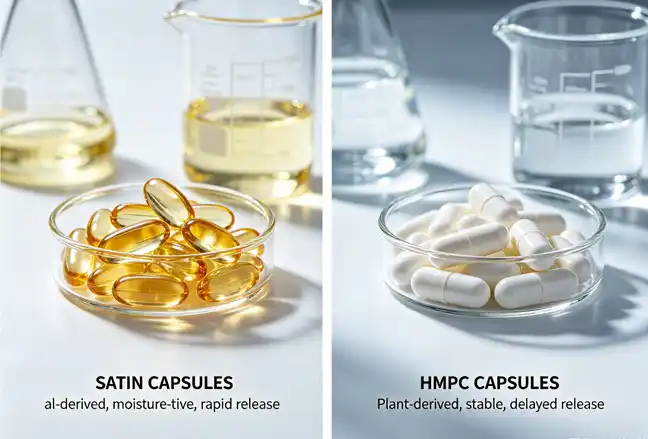
Gelatin loves 45-55% RH. Drop below 35%, and shells become brittle. Exceed 60%, and they become tacky and stick to dosing stations.
HPMC prefers drier conditions—30-40% RH. At higher humidity, HPMC shells soften and lose dimensional accuracy. But here's the catch: most powder blending operations require controlled humidity for content uniformity, typically 40-50% RH for hygroscopic ingredients.
You cannot optimize for both shell types simultaneously without environmental control systems. The smart approach? Choose encapsulation platforms that isolate the filling zone from ambient conditions. Sealed turntable designs with integrated dehumidification ports give you flexibility. Open designs lock you into one shell type.
Ask any equipment supplier for their documented changeover time between gelatin and HPMC. Watch them hesitate.
Switching shell types affects three distinct machine areas:
The dosing pins need different penetration depths. HPMC requires shallower penetration with slower retraction to prevent shell deformation. That means adjusting cam profiles or changing pin sets entirely.
The sealing station requires different temperature zones. Gelatin seals at 35-45°C. HPMC needs 45-55°C with a longer dwell time. Some automatic capsule filling machines offer independent zone control. Many don't.
The vacuum system demands recalibration. HPMC doesn't hold tolerance as tightly during the separation phase, so vacuum levels need adjustment. Too little suction, and caps don't separate. Too much, and you collapse thin-walled HPMC shells.
One production supervisor timed their full gelatin-to-HPMC changeover on three different filling line architectures. The first took 135 minutes, including requalification runs. The second took 85 minutes. The third—using a platform with modular quick-change molds and saved recipes—took 32 minutes.
Here's a factor that never appears on spec sheets: cleanability differences between shell materials.
Gelatin residue is water-soluble. Hot water and mild detergent dissolve it completely. HPMC residue is not water-soluble. It requires alcohol-based cleaning agents or mechanical removal.
That difference matters more than you think. If your production schedule alternates between gelatin and HPMC weekly, you need a cleaning protocol that switches solvents. That means dual cleaning circuits or manual intervention.
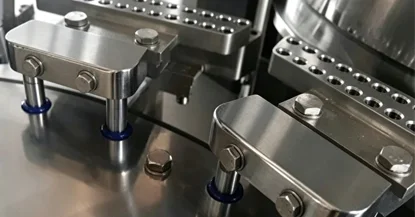
Some modern systems use sealed station turntables with independent cleaning ports. The design prevents powder migration into bearing assemblies regardless of shell type. Open designs trap residue in crevices, forcing longer cleaning cycles.
A vitamin manufacturer in California tracked their cleaning costs across six months. The gelatin-only line: 18 minutes average cleaning, 12 in consumables. The mixed-shell line on older equipment: 47 minutes cleaning, 12 in consumables.The mixed-shell line on older equipment: 47 minutes cleaning,54 in consumables (specialized solvents for HPMC residue). Their solution? Dedicated lines for each shell type. But that's not feasible for most small to mid-sized operations.
Every auditor and production manager I've spoken with agrees: the sealing station separates capable equipment from problematic equipment.
Gelatin uses heat to melt the band area, creating a molecular bond. The process is forgiving. Temperature can vary ±5°C without failure.
HPMC seals through a combination of heat and moisture activation. The shell material softens and bonds, but excessive heat causes discoloration and brittleness. The acceptable temperature window is narrower: ±2°C. And dwell time matters more.
Look for filling systems with independently zoned heaters and real-time temperature logging. The best designs use Siemens touch screen interfaces that store sealing parameters by shell type and recipe. One-button recall eliminates guesswork during changeover.
Review sealing station specifications that support multi-shell production.
Let's make this practical.
Choose gelatin capsules when:
Your product has no vegetarian/vegan restrictions
You operate in variable humidity environments (40-60% RH)
Your formula contains oils or lipid-based ingredients (gelatin seals better with oils)
You need maximum mechanical strength for high-speed filling (6,000+ capsules/minute)
Choose HPMC capsules when:
You need a vegetarian/vegan certification (major retail requirement now)
Your formula contains aldehydes (vanillin, citral, some essential oils) that cross-link gelatin
You operate in dry climates or sealed environments (<40% RH)
You want to avoid bovine/porcine gelatin for export to specific markets (the Middle East, India)
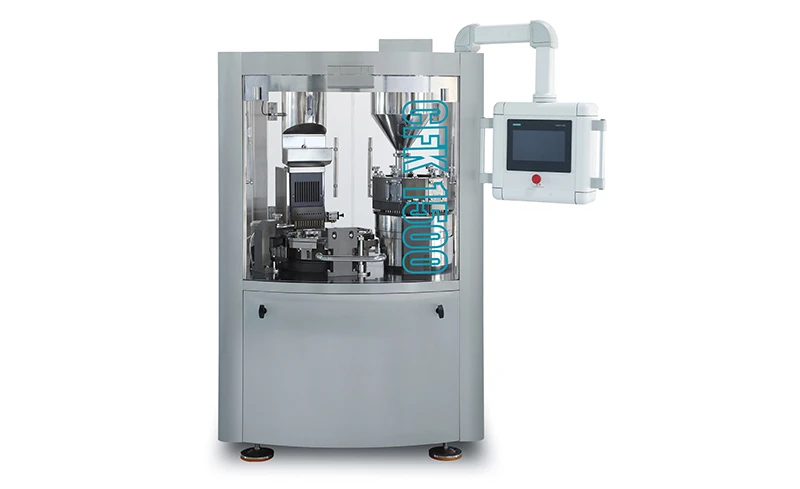
But the real answer for most operations? A filling platform that handles both without major reconfiguration. Look for intermittent rotary designs with adjustable cam profiles, recipe storage for sealing parameters, and quick-change mold systems that maintain tooling alignment between swaps.
Get selection recommendations based on your specific shell mix and batch sizes.
I've watched a facility lose a $200,000 contract because its equipment couldn't validate HPMC production within the customer's timeline. The machine was fine. The machine just wasn't designed for shell flexibility.
Before you commit to any encapsulation equipment, run this test: bring samples of both gelatin and HPMC shells to the supplier's demo facility. Run your actual powder—not a placebo. Time the changeover yourself. Measure the first-hour reject rate for each shell type.
The right platform handles both without drama. The wrong platform forces you to choose between market demand and production sanity.
If your product roadmap includes vegetarian formulations or international expansion, discuss your multi-shell requirements with engineers who've solved this transition before. Because the cost of retrofitting flexibility is always higher than building it in from day one.
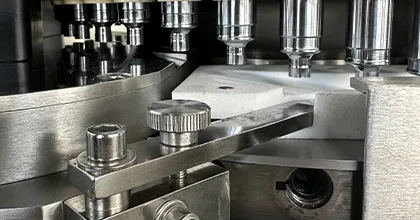

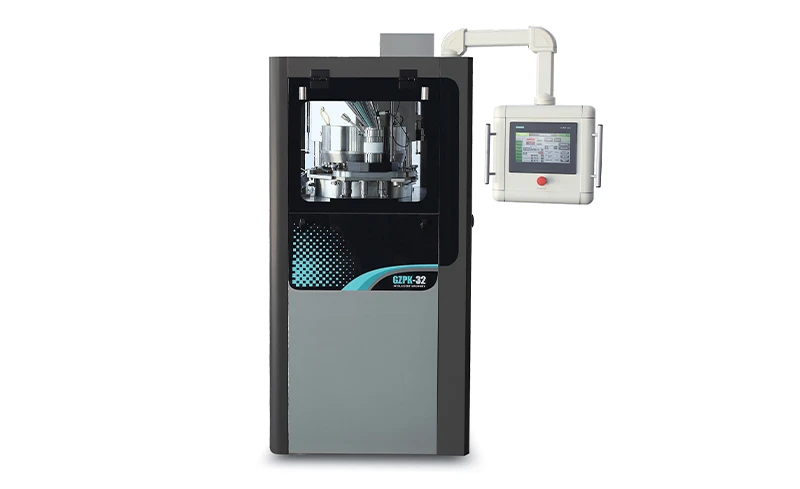
No. of station:26/32/40
Max.tablet diameter:25/16/13mm
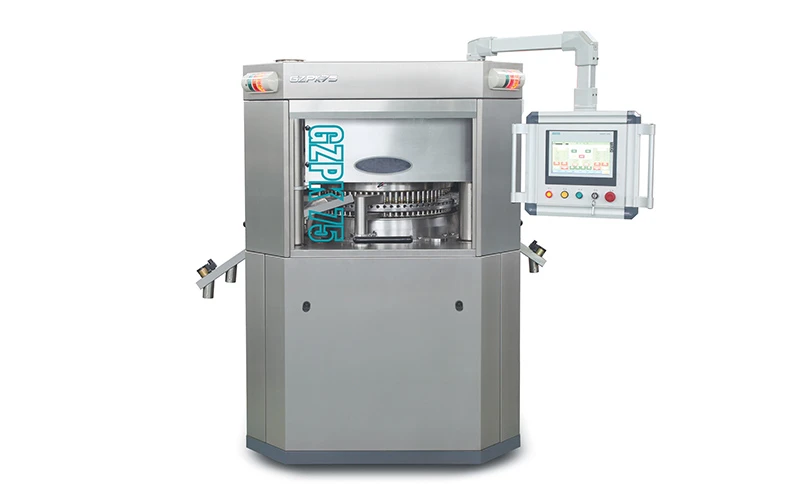
No. of station:45/55/75
Max.tablet diameter:25/16/13mm
24/7 Online Technical Support
One-Year Warranty and Spare Parts Coverage
Lifetime free technical consulting service
GET A QUOTE