A quality manager at a mid-sized generic drug manufacturer once told me: “We passed our FDA inspection on the documentation alone. But the auditor spent four hours watching our capsule filler run. That’s where compliance lives or dies.”
He was right. Paperwork gets you in the door. Equipment behavior keeps you there.
If you’re sourcing encapsulation equipment for a regulated environment, you already know the stakes. A single cross-contamination event or dosing deviation can trigger a Form 483, a product recall, or worse—a warning letter that shuts down your line for months.
So how do you separate truly compliant hardware from machines that just slap “cGMP” on the brochure? Let’s walk through the actual checklist that auditors use, often without saying a word.

Most buyers start with output. That’s a mistake.
Auditors start with material flow. They want to see how powders, lubricants, and capsule debris move through the machine—and more importantly, where they could end up by accident.
Ask yourself: Does the turret design prevent powder from migrating into bearing assemblies? Are the dosing stations sealed so that product can’t contaminate mechanical parts? And when you switch from one formula to another, can you clean every surface without disassembling half the machine?
According to ISPE guidelines, containment is the first pillar of oral solid dose manufacturing. A machine that leaks fine powder into its own gearbox is not a maintenance issue. It’s a compliance risk. Every grain that escapes the product path is a potential cross-contamination vector for your next batch.
That’s why the enclosed station turntable matters more than peak RPM. When the fill zones are isolated from the drive mechanisms, you eliminate the hidden traps where old product hides. Some designs use imported silicone sealing rings specifically to prevent shaft expansion from pulling powder into moving parts.
Validation isn’t one event. It’s three.
Installation Qualification (IQ) checks that the machine arrived as specified. Operational Qualification (OQ) confirms it runs within parameters. Performance Qualification (PQ) proves it produces acceptable capsules under real conditions.
Here’s where equipment selection directly impacts your timeline. Machines with modular quick-change molds typically complete OQ faster because you can test multiple capsule sizes without swapping entire assemblies. Fixed-design machines require separate validation runs for each configuration.
One contract manufacturer reported cutting PQ time by 40% after switching to a system with intermittent rotary indexing. The reason? Consistent filling height across stations meant fewer out-of-spec capsules during the worst-case run. The plug-type metering design eliminated the station-to-station variation that forced requalification.
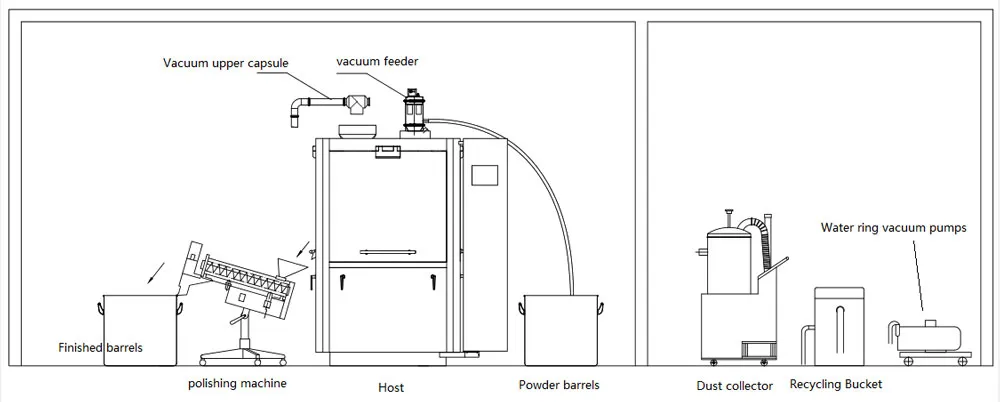
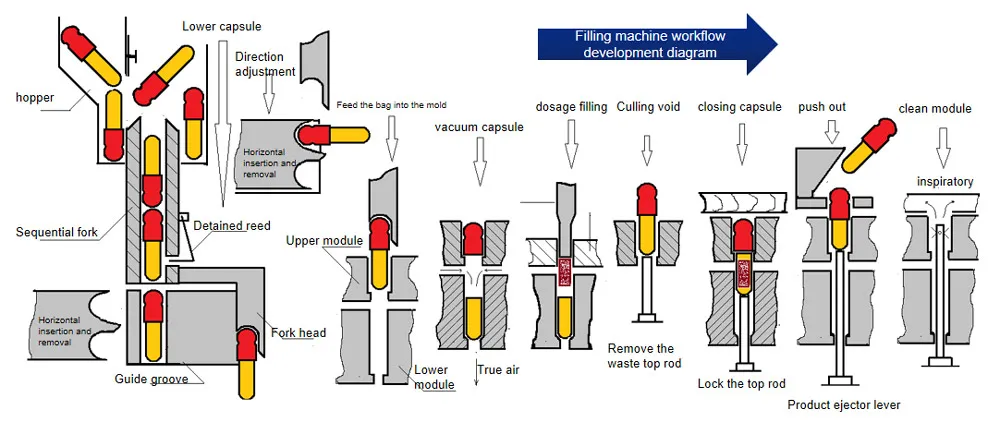
During inspections, experienced auditors know exactly where to point their cameras. Focus your evaluation on these three zones:
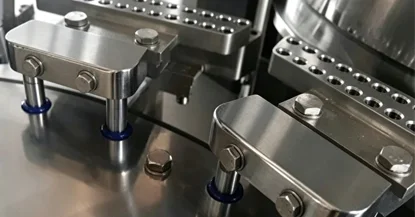
The dosing chamber is first. Every surface that touches powder must be stainless steel or approved polymer, with no crevices, threaded exposed fasteners, or dead zones where material accumulates. The metering plate and copper ring assembly should lift out as a single unit for cleaning. If you need tools to reach any product-contact surface, expect an observation.
The capsule separation station comes second. This is where empty capsule bodies and caps align before filling. Static electricity can cause misfeeds here, leading to jammed machines and operator intervention—which breaks the containment barrier. Look for designs with integrated grounding or anti-static features.
The sealing station rounds out the trio. Heat plus gelatin equals variables. A machine that lacks independent zone temperature control will struggle with different capsule suppliers, because each batch of shells responds slightly differently to heat. Adjustable sealing parameters aren’t a luxury. They’re a compliance requirement for batch-to-batch consistency.
Here’s a detail that trips up even experienced production managers: audit trails.
Modern regulations (EU GMP Annex 11, FDA 21 CFR Part 11) require that electronic records be attributable, legible, contemporaneous, original, and accurate. That means your machine’s interface must log every parameter change, every alarm, and every operator action.
Check what the touch screen actually records. Does it timestamp when someone adjusts tamping pressure? Does it require a reason code for unscheduled stops? Can you export logs in a non-editable format?
The Siemens panel found on better equipment handles these requirements natively. It supports multi-language operation, rapid recipe switching, and real-time production monitoring. More importantly, it creates a digital signature trail that auditors accept without argument.
Here’s an uncomfortable truth: Your machine is only as compliant as its last service.
Auditors rarely ask “Can this machine produce good capsules?” They ask “Show me the last 12 months of preventive maintenance records.” A machine that looks pristine but has no documented bearing replacements, seal inspections, or calibration logs raises immediate red flags.
That’s why serviceability is a compliance feature. Can you change the indexing box oil without tilting the machine? Are wear parts like the inner groove cam accessible without removing the main turret? Does the 3D chassis adjustment mechanism hold settings after maintenance, or does every repair require recalibration?
According to a 2023 GMP survey, 34% of equipment-related inspection findings trace back to poor maintenance access. When technicians can’t easily service components, they defer work—and that deferred work becomes a non-conformance report.
Ask any equipment vendor for a live changeover demonstration. But here’s the twist: don't tell them which capsule size you’ll switch to.
Watch what happens. Does the quick-change system actually work without specialized tools? Does the operator need to recalibrate dosing accuracy after reassembly? How much product is wasted during the first run after changeover?
The best designs use guided alignment pins and color-coded components that make reassembly mistake-proof. The mold change should take minutes, not hours. And when you restart, the filling error should stay within ±3–7% without extensive tweaking.
One production supervisor timed their changeover on three different machine brands. The first took 95 minutes and required 12 calibration capsules. The second took 45 minutes with 8 calibration capsules. The third—using a purpose-built changeover design—took 19 minutes with 2 calibration capsules. That difference adds up to weeks of productive time annually.
Before you commit, request these four documents and read them carefully:
The supplier’s material certification for all product-contact surfaces. 316L stainless steel is standard; confirm the grade and finish (Ra ≤ 0.8 μm is typical for pharmaceutical applications).
The FAT (Factory Acceptance Test) protocol. This document outlines how the machine performs before shipment. Insist on running your actual powder blends, not just placebo.
The IQ/OQ template. If the supplier provides validation documentation, you save weeks of writing protocols yourself. If they don’t, factor that cost into your decision.
The spare parts list with lead times. A broken cam follower that takes six weeks from Germany is a line shutdown. Locally available components or a regional supplier warehouse keep you running.
Here’s a final reality check before you make a decision. Walk your shortlisted equipment through these five questions:
Can every product-contact surface be cleaned without tools? If yes, proceed. If no, eliminate.
Does the HMI produce an uneditable audit trail? Required for any regulated market.
What’s the documented changeover time between your largest and smallest capsule size? Ask for video evidence.
How many capsules are wasted during startup and changeover? Five percent waste on an expensive API can cost six figures annually.
Who provides local service and calibration? A machine is only as good as the technician within a four-hour drive.
If you’re currently preparing for an FDA, EMA, or WHO inspection—or simply want to avoid becoming a cautionary tale—discuss your specific compliance requirements with engineers who design for regulated environments. The right equipment doesn’t just fill capsules. It defends your inspection record.

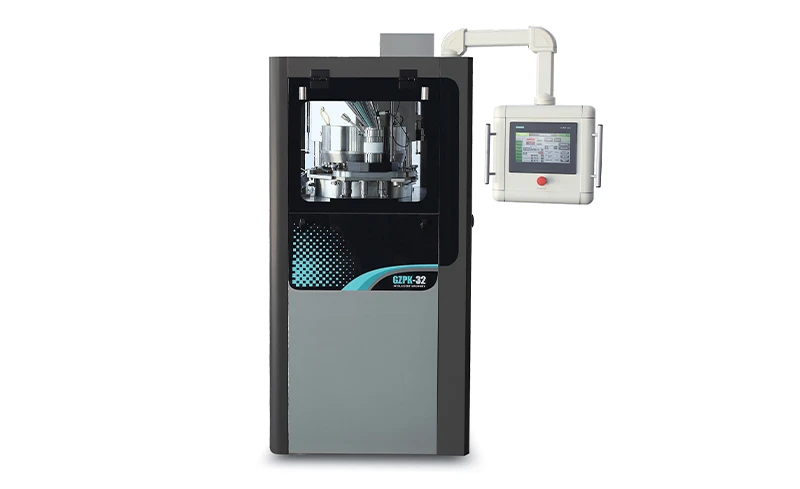
No. of station:26/32/40
Max.tablet diameter:25/16/13mm
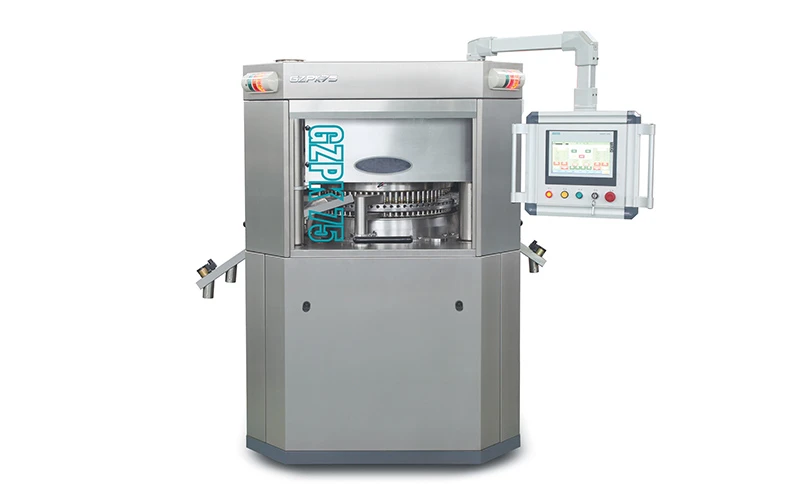
No. of station:45/55/75
Max.tablet diameter:25/16/13mm
24/7 Online Technical Support
One-Year Warranty and Spare Parts Coverage
Lifetime free technical consulting service
GET A QUOTE