A pharmaceutical production manager in Chicago called me last month with a problem that didn't make sense. His automatic encapsulation system was less than two years old. Maintenance logs were clean. Operators followed every procedure. Yet fill weight variation had crept from ±2% to nearly ±6% over six months. Capsules passed inspection, but barely. His yield had dropped 9% without explanation.
The culprit wasn't the dosing station. It wasn't the powder blend. It was a component most buyers never ask about until something goes wrong: the indexing box.
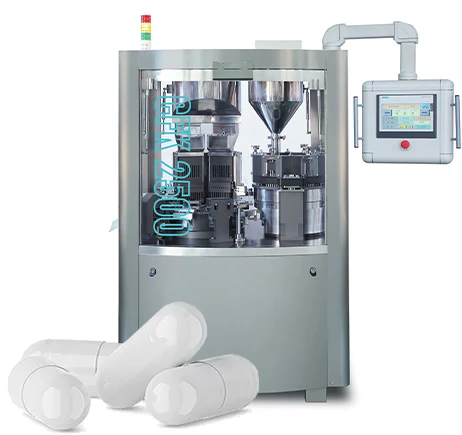
Every intermittent rotary filler relies on one critical component to coordinate motion. The indexing box converts continuous motor rotation into precise, start-stop movement. Each time the machine advances from station to station—loading, separating, filling, tamping, sealing, ejecting—the indexing box decides exactly when to move, how far to travel, and when to pause.
Think of it as the conductor of an orchestra. When the conductor keeps perfect time, every musician plays together. When the conductor drifts, the music falls apart.
The problem is that indexing boxes experience mechanical wear in ways that aren't obvious to operators. Cam followers degrade. Internal clearances open up. Lubrication breaks down. The machine still runs. It still produces capsules. But the positional accuracy at each station slowly degrades.
According to a 2023 reliability study published in the Journal of Pharmaceutical Engineering, indexing mechanism degradation accounts for approximately 23% of unscheduled downtime events on high-speed filling lines—yet fewer than 15% of facilities have preventive inspection protocols specifically for this component.
When an indexing box loses accuracy, the symptoms show up everywhere except the indexing box itself.
Inconsistent fill weights appear first. If the turret doesn't stop at exactly the same position each cycle, dosing pins don't penetrate to the same depth. A variation of just 0.5mm in pin depth can change fill volume by 3-5%, depending on powder density.
Capsule separation problems follow. The vacuum system expects the capsule body and cap to be in precise alignment at the separation station. When indexing drifts, the vacuum cup misses the cap edge by fractions of a millimeter. Capsules fail to open. Jams occur.
Sealing defects complete the triad. The sealing station applies heat and pressure at a specific turret position. If the capsule arrives late or early by even 2-3 degrees of rotation, the sealing dwell time changes. Under-sealed capsules leak. Over-sealed capsules show burn marks.
One contract manufacturer I worked with spent eight weeks debugging intermittent sealing failures. They replaced heaters, recalibrated sensors, and changed capsule suppliers. The problem vanished only after they discovered their indexing box had developed 0.3mm of radial play—barely detectable but enough to shift capsule position at the sealing station by nearly 1mm.
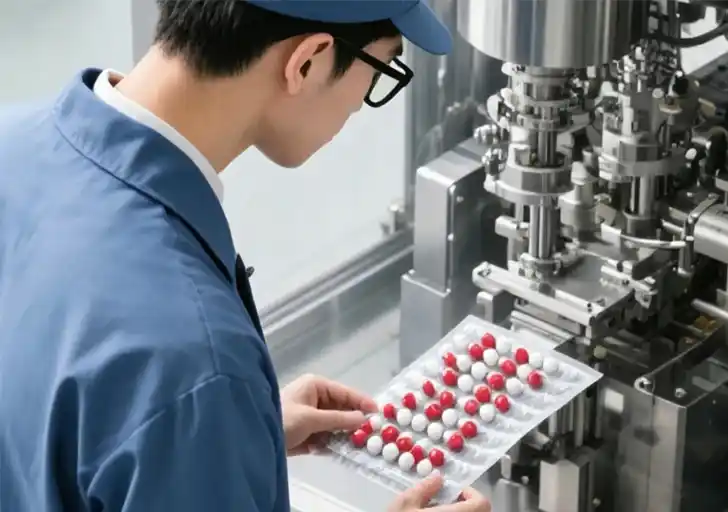
Not all indexing boxes are created equal. The difference shows up in three specific areas:
Material selection determines longevity. Standard indexing boxes use case-hardened steel for cam tracks. High-grade units like the Taiwan Xiangsheng DF series employ through-hardened alloy steel with specialized surface treatments. The practical difference? A standard box might hold precision for 8,000-10,000 operating hours. A DF-series box typically exceeds 25,000 hours before measurable wear appears.
Bearing configuration affects load distribution. Many designs use single-row bearings that concentrate stress on small contact areas. The DF110 and DF80 combination uses paired bearing arrangements that spread forces across larger surfaces. That's not marketing language. That's the difference between replacing bearings annually versus every five years.
Sealing and lubrication separate preventable failures from inevitable ones. Open indexing boxes allow fine powder contamination. Sealed designs with proper labyrinth barriers keep contaminants out. Some manufacturers now integrate automatic lubrication systems that maintain optimal film thickness regardless of operating temperature.
A maintenance manager at a large nutraceutical facility shared their comparative data with me. Their older machine with a standard indexing box required bearing replacement every 14 months. Their newer unit with a DF-series box hadn't needed bearing service in 38 months of 24/5 operation. The upfront cost difference was 4,200.Themaintenancesavingsoverthreeyears:4,200.Themaintenancesavingsoverthreeyears:11,000 plus avoided downtime.
Most facilities discover indexing box failure the hard way: a station collision that bends tooling or a sudden jam that stops production for hours.
But there are earlier warning signs if you know what to look for:
Listen for timing changes. A healthy indexing box produces a consistent mechanical rhythm. When you hear irregular spacing between station movements—a slight hesitation followed by a faster advance—internal clearances are increasing.
Monitor fill weight trending. If your average fill weight remains stable but your standard deviation grows, suspect indexing drift before blaming powder flow. The dosing accuracy degradation will appear first at high-speed settings, then progressively at lower speeds.
Check station-to-station consistency. Run a sample of 100 capsules and mark which station produced each one. If variation correlates with specific turret positions rather than being random, your indexing box is likely the source.
One production supervisor developed a simple test: he ran the machine at 50% speed and recorded the sound of each indexing cycle. At full speed, irregularities blended together. At half speed, the inconsistent timing between cycles became audible. His preventive replacement avoided what would have been a three-day unplanned shutdown.
Explore precision drive system specifications designed for long-term positional accuracy.
Indexing precision doesn't exist in isolation. The indexing box works with the machine's electronic controls to maintain synchronization.
Servo-driven indexing offers the highest precision because the control system receives real-time position feedback. If the turret drifts, the servo corrects mid-cycle. However, servo systems cost more and require more complex programming.
Mechanical indexing with high-quality gearboxes remains the industry standard for good reason. When paired with a reliable control interface like the Siemens electronic touch screen, operators can monitor indexing performance through diagnostic screens. The system logs each cycle's timing deviations, creating a predictive maintenance dataset.
One pharmaceutical equipment supplier I consulted for developed a simple dashboard that tracks indexing box health. They monitor three parameters: cycle time consistency, peak torque during indexing, and positional repeatability. When any parameter crosses a threshold, the system flags preventive maintenance automatically. Their clients report 40% fewer indexing-related failures after implementing the protocol.
When you evaluate encapsulation machinery, ask suppliers these specific questions about indexing components:
What is the rated service life under your operating conditions? "10,000 hours" at 50% duty cycle is different from "10,000 hours" at 90% duty cycle. Get the rating at your expected utilization.
What is the positional repeatability specification? Look for ±0.02mm or better at the turret circumference. Some suppliers won't publish this number. That's a red flag.
How is the box sealed against powder ingress? Ask for diagrams showing the sealing arrangement. Labyrinth seals with air purge ports are ideal for powder filling applications.
What is the replacement procedure and cost? A 3,000indexingboxthattakesfourhourstoreplacemightbepreferabletoa3,000indexingboxthattakesfourhourstoreplacemightbepreferabletoa1,500 box that takes two days because the entire turret must be removed.
A small-batch supplement manufacturer learned this lesson when their budget machine's indexing box failed. The replacement part cost 1,800.Thelabortoaccessitrequireddisassemblinghalfthemachine:1,800.Thelabortoaccessitrequireddisassemblinghalfthemachine:4,200. Total downtime: eleven production days. Their next machine came with a DF-series box and a two-hour swap procedure.
Here's what experienced production managers understand that first-time buyers often miss: the indexing box determines your machine's effective lifespan.
You can rebuild dosing pins. You can replace sensors. You can upgrade touch screens. But the indexing box is the machine's skeleton. When it wears beyond tolerance, the entire machine becomes unreliable.
Spending more upfront on a high-precision indexing system is one of the highest-ROI decisions in capsule manufacturing. The incremental cost is typically 5,000−8,000ona5,000−8,000ona100,000+ machine. The benefit is 2-3x longer service life, lower reject rates throughout that life, and predictable maintenance instead of surprise failures.
If you're currently specifying new equipment or troubleshooting an existing line with unexplained variation, discuss your indexing requirements with engineers who understand the long-term cost of precision. The right indexing box doesn't just keep time. It keeps your production schedule intact.

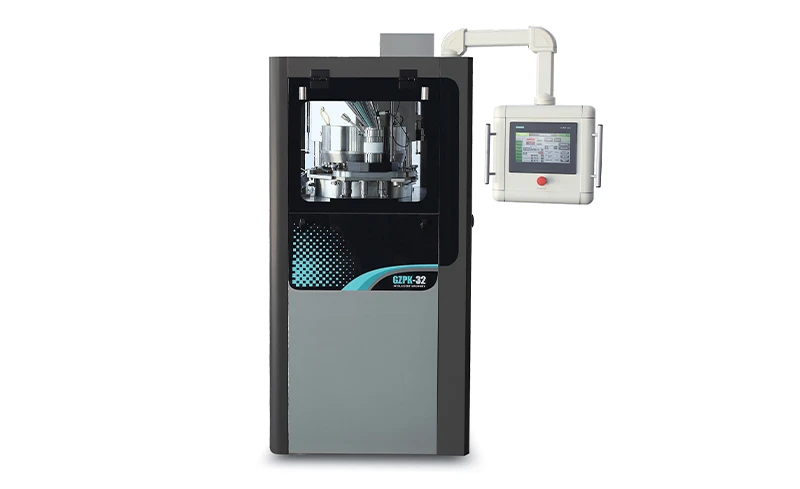
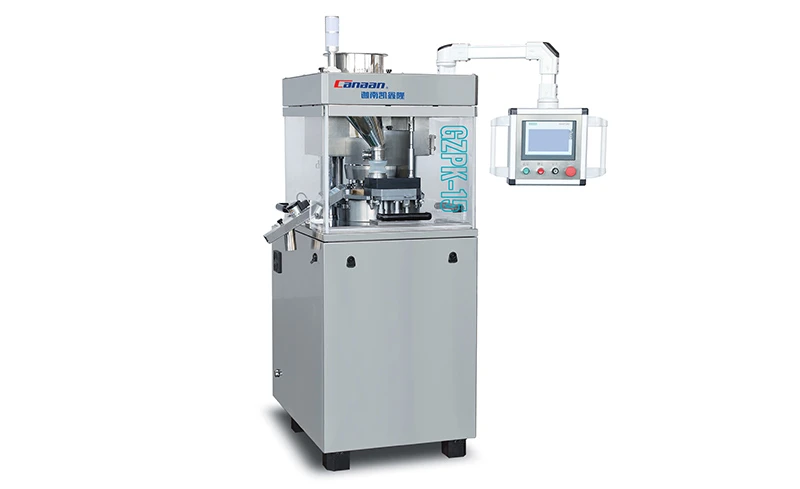
No. of station:26/32/40
Max.tablet diameter:25/16/13mm
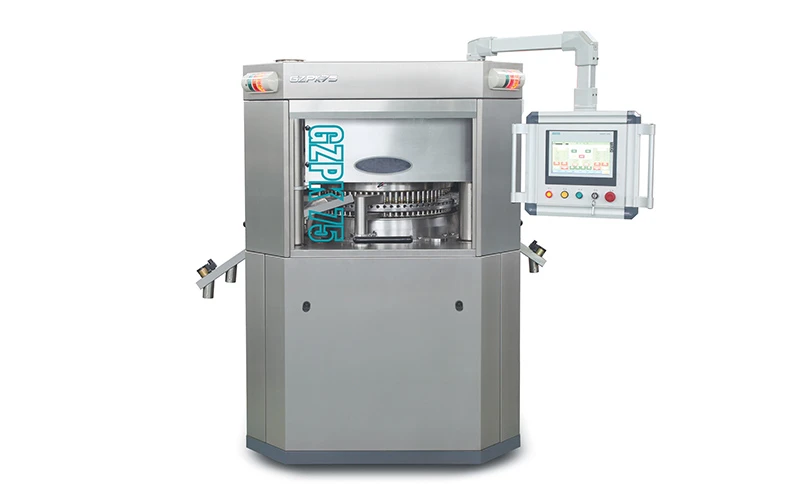
No. of station:45/55/75
Max.tablet diameter:25/16/13mm
24/7 Online Technical Support
One-Year Warranty and Spare Parts Coverage
Lifetime free technical consulting service
GET A QUOTE